THE EMOTIONAL SIDE: Parents “Baby Boomers continue to trail both Gen Xers and Millennials on most measures of technology adoption, but adoption rates for this group have been growing rapidly in recent years. For example, Boomers are now far more likely to own a smartphone than they were in 2011 (68% now vs. 25% then). Although Boomers have been adopting a range of technologies in recent years, members of the Silent Generation are less likely to have done so. Four-in-ten Silents (40%) report owning a smartphone, and fewer (33%) indicate that they have a tablet computer or use social media (28%). Previous Pew Research Center surveys have found that the oldest adults face some unique barriers to adopting new technologies – from a lack of confidence in using new technologies to physical challenges manipulating various devices” (Pew, Millennials, 2019).
“Older adults may also face physical challenges that might make it difficult to use or manipulate devices. Some 28% of U.S. adults ages 65 and up say they have health problems, disabilities or handicaps that keep them from participating fully in work, school, housework or other activities. And seniors who report that they have a disability are less likely than those who do not to utilize a variety of digital assets – from the internet in general, to devices such as smartphones or tablet computers…. Once online, most seniors make the internet a standard part of their daily routine. Roughly three-quarters of older internet users go online at least daily, including 17% who say they go online about once a day, 51% who indicate they do so several times a day and 8% who say they use the internet almost constantly. Among older adults who own smartphones, this figure is even higher: 76% of these smartphone-owning older adults use the internet several times a day or more” (Pew, Barriers, 2017).
It is exceedingly difficult to know when to “cut off” a parent from cyberspace. So very much depends on their behavior, usage, and overarching understanding of what they want and what they are doing online. Take the common issue of driving an automobile - it can be difficult to know exactly when a parent might need to stop driving, but over time it becomes crystalized. They must stop when they are a danger to themselves or others. The TSG has dealt with this for many years, and can ask or look to previous generations for guidance.
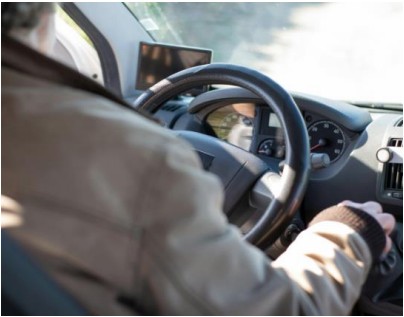
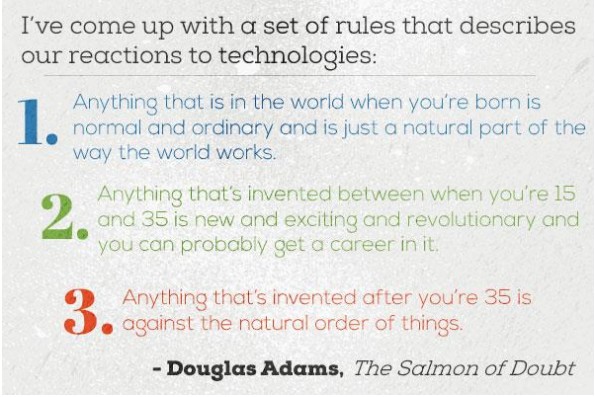
How do you draw the line in cyberspace? What constitutes a danger to self - or others? Waters become murky quickly. This is the essence of the emotional difficulty of the DSG, and a brand-new cause for concern. Interestingly, the quote above seems backwards to me, in that, “seniors who report that they have a disability are less likely than those who do not to utilize a variety of digital assets…” I would think they would use more and be more likely to take advantage of what cyberspace has to offer. I assume the difference is in growing up with the technology - when you have only bodyspace verses cyberspace, and cyberspace is new, bodyspace wins most of the time. This is an excellent quote from Mr. Adams, author of “The Hitchhiker’s Guide to the Galaxy.” It is good to keep in mind as we navigate these changes in life and appreciate how they affect those around us.
References
- Pew Research Center. (2017). Barriers to adoption and attitudes towards technology. Link to Barriers to Adoption Article. Pew Research Center. (2019). Millennials stand out for their technology use, but older generations also embrace digital life. Like to Millennials Article.